

Maui’s famous Road to Hana is touted as one of the top things to do on Maui. Winding roads, lush sea cliffs, waterfall views, and unique beaches—it’s one of Maui’s top road trips.
But this isn’t your average road trip. Driving the Road to Hana requires careful planning and consideration. You must consider whether to take a tour or drive yourself. Think about timing, motion sickness, and planning around weather conditions. Many visitors opt to take a tour on their first visit, while others insist on driving themselves. There are pros and cons to each, which we’ll get to soon.
Below, we’ll answer some of the most commonly asked questions, as well as offer tips and recommendations for visiting.

The Ultimate Guide to the Road to Hana
Is the Road to Hana Worth It?
Most people would say yes, but it depends on a few key factors.
If you like adventures, yes. If you want to see an untouched, rugged side of Maui, yes. If you have a handle on motion sickness, yes.
A full day in the car isn’t for everyone, and that’s ok. It’s also important to manage your expectations. Sometimes waterfalls don’t flow because of drought. Sometimes attractions are closed for safety. Sometimes Aunty Sandy’s runs out of banana bread early.
If you’re a go-with-the-flow type of person who appreciates natural beauty, then the Road to Hana is absolutely worth it.
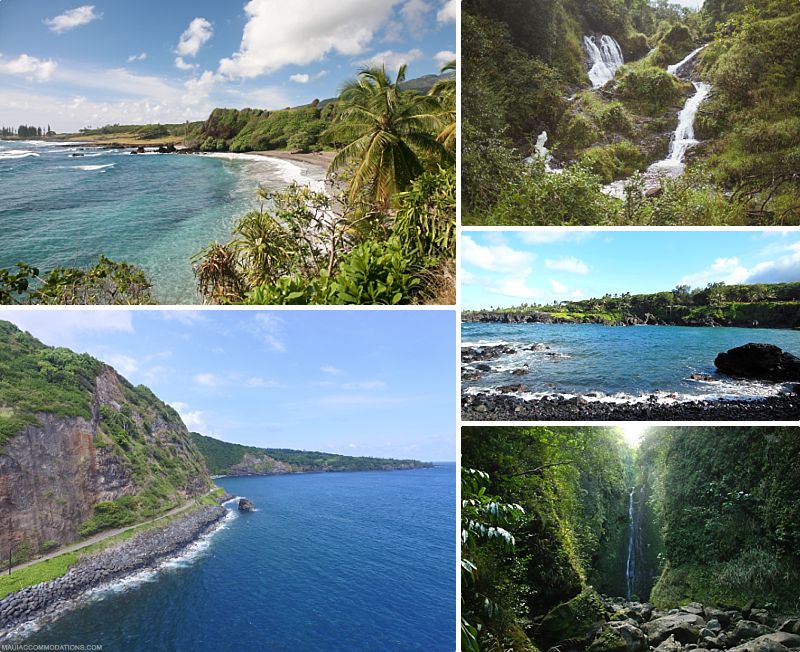
Should I Do a Tour?
If it is your first time visiting Hana, the general recommendation is to take a Road to Hana tour.
Pros: On a tour, you can fully focus on the views and learn the history and local perspective without being distracted by driving. Taking a tour also allows everyone in your group to soak in the sights without being distracted by driving. You also won’t have to worry about navigating tight portions of the road or planning out your stops.
Cons: You won’t have the freedom to choose your stops or timing. If you get motion sickness, riding in a van with others and not being able to stop when needed may not be the best choice. Most tours do not have permits to visit the Pipiwai Trail because it is in the national park.

Can I Drive the Road to Hana?
Yes! Many visitors choose to drive themselves.
Pros: Driving yourself gives you more freedom. You pick the stops you want to see and how much time to spend at each.
Cons: The driver often misses out on the sights and has to navigate white-knuckle sections of the road. You’ll also be responsible for planning your journey and bringing all the necessary supplies for a long day in rural Maui.
If you plan on driving the road yourself, take some time to learn about Hana Highway etiquette. Hana Highway serves a small, rural community and is very different from anywhere else in the country. Some stops can be hazardous or located on private property and off-limits. Scroll to the etiquette section below if you plan on driving yourself.
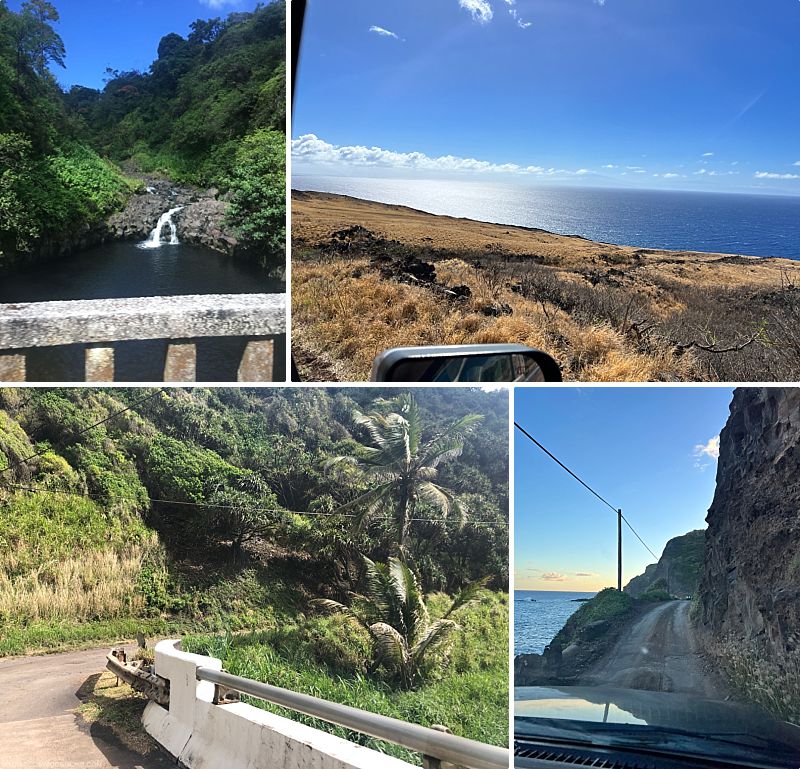
How Much Time Does the Road to Hana Take?
Driving from Kahului to Hana takes at least two and a half hours. With multiple stops, the Road to Hana becomes a full-day excursion.
Some people choose to go only halfway, turning back at the Keanae Peninsula. Many tours offer this option too. Even so, this can take 5-8 hours.
Avoid booking things—like luaus or dinner reservations—on the same day as your Road to Hana adventure. You won’t want to rush back. Plus, sometimes falling trees or rocks blocking the road can prolong your journey—you never know! It’s best to give the Road to Hana an entire day.
Top Road To Hana Stops
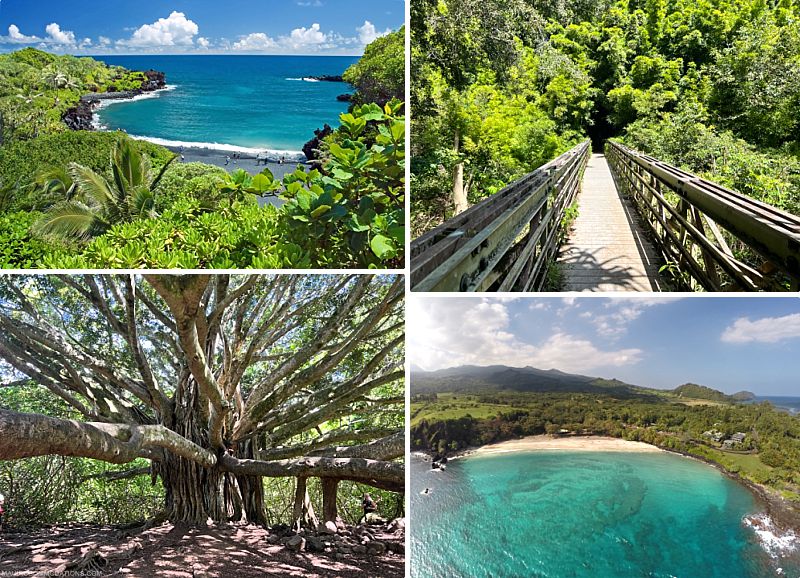
We won’t list every stop here because there are simply too many! But here are some of our favorites—all legal and open to the public.
Twin Falls: A short hike through a lush valley with multiple waterfalls and swimming holes.
Waikamoi Ridge Trail: A moderate nature walk loop through dense jungle.
Keanae Peninsula: A small East Maui community, home to the Halfway to Hana stand, Aunty Sandy’s Banana Bread, and stunning coastal views. No swimming.
Pua‘a Ka‘a: Small state wayside park with a waterfall and restrooms.

Waianapanapa State Park: Famous black sand beach and hiking trails. Reservations required for entry.
Hamoa Beach: Gorgeous sandy beach with great swimming when it’s calm.
Haleakala National Park at Kipahulu: Home to the famous Pipiwai Trail, including waterfalls and coastal views.
Etiquette & Safety
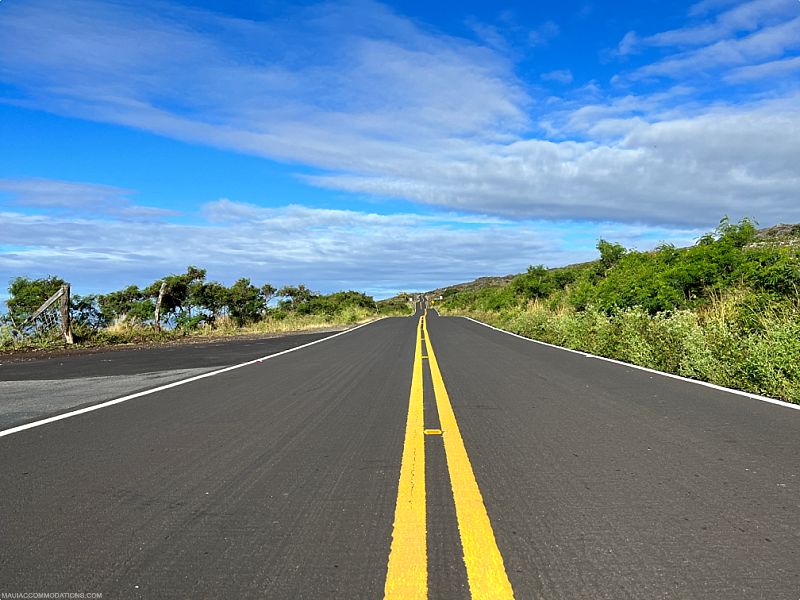
Driving the Road to Hana is a much different experience than your average highway. There are hundreds of curves and yields and dozens of one-lane bridges. The road is also the lifeline for a very small community, and residents rely on it to get to work, school, doctors’ appointments, and grocery stores.
Here are some basic etiquette tips to make your journey as smooth as possible:
- Pull over for faster vehicles. Sightseeing is not the same as commuting, and many residents are comfortable navigating the many curves and tight corners. There are many pull-outs to allow other vehicles to pass. Similarly, avoid letting traffic stack up behind you.
- Only visit legal, public areas. Some advertised “stops” are located on private property. Double-check your itinerary and make sure your selected stops are public. A good rule of thumb is to look for welcome signage.
- Wait for good weather to drive the road. Driving the Road to Hana during storms can be hazardous due to flash floods, landslides, and downed trees.
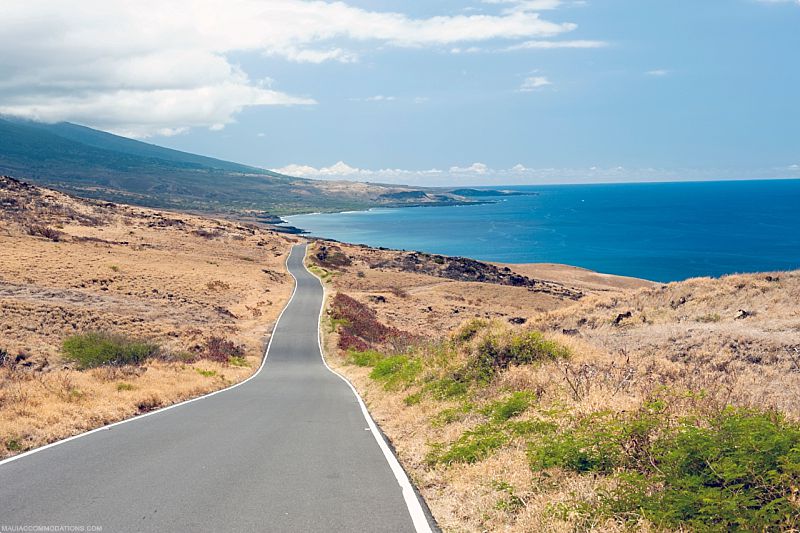
Whether you take a rental car or opt for a tour, we hope you enjoy your Road to Hana adventure!

- Looking for great places to stay on Maui? You’ll save by BOOKING DIRECTLY with the owners/managers of these accommodations.
- Looking for Maui deals? Sign up here for our free monthly Maui Deals & Steals e-newsletter with the latest book-direct deals from our advertisers.

 Aloha! Tiffany here. I've been blessed to call Maui home since 2011. With a background in the island's finest restaurants and hotels, guiding visitors to create unforgettable Maui memories is more than a skill I've mastered—it's a profound source of joy for me.